.png)

How to Project Confidence Through Your Personal Image
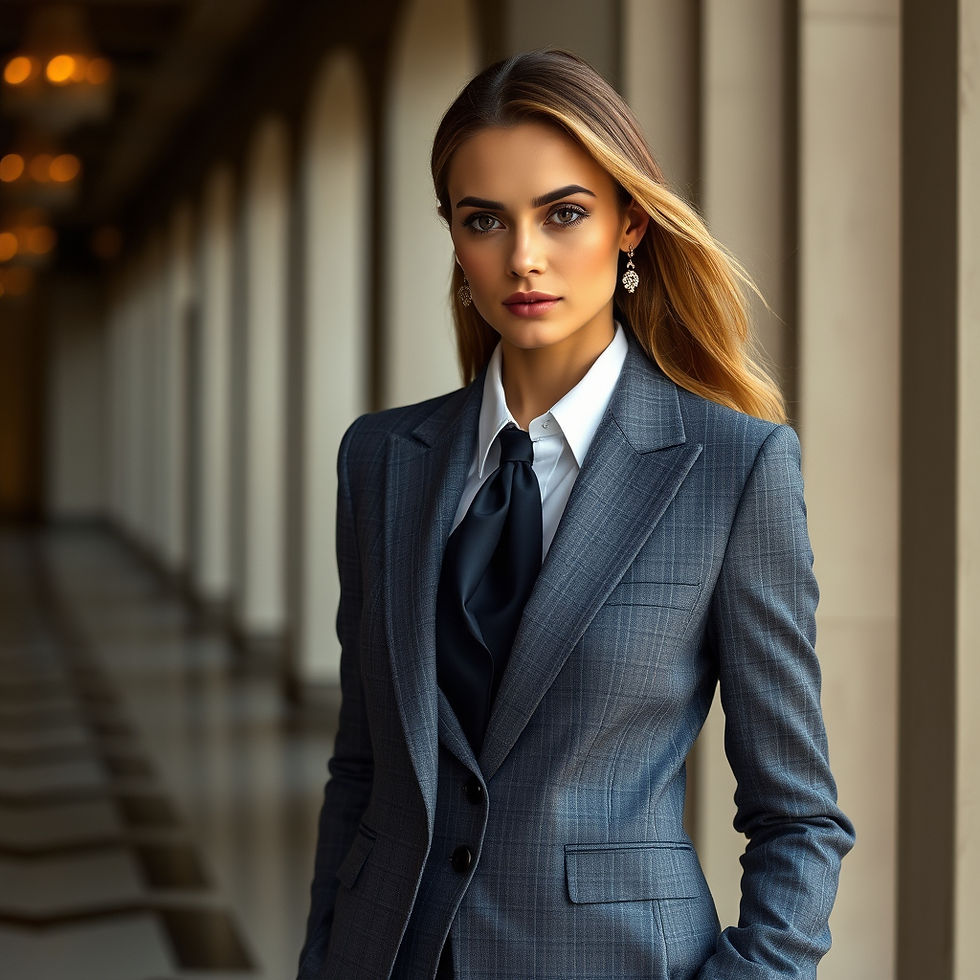
Confidence is rarely communicated by words alone. Long before someone hears your point of view, they have already taken in your posture, your clothing, your grooming, your expression, and the general sense of ease or tension you bring into the room. A strong professional image does not require extravagance or performance. It requires alignment. When your appearance supports your role, your standards, and your personality, people read you as grounded, capable, and credible. That is the real aim: not to look impressive for its own sake, but to make your presence feel coherent enough that others can focus on what you are saying rather than be distracted by what feels off.
Why Confidence Is Read Visually
Personal image influences perception because it gives other people immediate clues about judgement, self-respect, discernment, and awareness of context. None of this is superficial in a professional setting. Leaders, advisers, founders, and public-facing experts are constantly interpreted through signals that sit beneath language. The way you dress and carry yourself shapes whether people expect clarity from you, trust your decisions, or question your seriousness.
First impressions are not the whole story, but they do set the tone
A first impression does not define a relationship, yet it creates the opening frame through which everything else is understood. If your image feels considered, calm, and appropriate, it reduces friction. People relax into your authority. If it feels careless, confused, or performative, you may spend the rest of the interaction correcting assumptions you never intended to create.
Confidence is usually perceived as clarity, not volume
Many people mistakenly equate confidence with being bold, dominant, or highly visible. In reality, the most convincing confidence is often quieter. It appears as precision, ease, consistency, and a lack of unnecessary self-consciousness. A polished personal image supports that impression by removing visual noise. It tells people that you understand where you are, what matters, and how you wish to be known.
The Foundations of a Confident Professional Image
If you want your appearance to project confidence, start with fundamentals rather than trends. Most image problems are not caused by a lack of style; they come from poor fit, inconsistency, tired grooming, or clothing that sends mixed signals about role and standards.
Fit and proportion come before fashion
Nothing undermines confidence faster than clothing that pulls, sags, overwhelms the frame, or restricts movement. Proper fit changes how a person stands, walks, and gestures. Tailoring does not need to be dramatic to be effective. Small adjustments to hems, sleeve length, shoulder line, and waist shape can make an outfit look more expensive, more intentional, and far more assured.
Fabric, grooming, and upkeep matter more than logos
People often notice quality indirectly. They respond to smooth lines, clean shoes, fresh grooming, pressed fabric, and items that look well cared for. They also notice the opposite: lint, scuffed leather, wrinkled shirts, chipped nails, tired collars, or a generally rushed appearance. Confidence is difficult to project when your presentation suggests neglect.
Element | What it communicates when done well | What weakens the effect |
Fit | Control, self-awareness, ease | Too tight, too loose, constant adjusting |
Grooming | Discipline, readiness, attention to detail | Untidy hair, dry shoes, unfinished appearance |
Fabric and condition | Quality, care, discernment | Wrinkles, pilling, shine, visible wear |
Colour palette | Composure, consistency, recognisability | Harsh contrasts or random combinations |
Consistency builds trust
A confident image is not built through one memorable outfit. It is built through repetition. When people encounter you across meetings, events, photographs, and informal moments, they should recognise a clear standard. Consistency signals stability. It tells others that your judgement is not accidental and that your presence can be relied upon.
Dress for the Role, the Setting, and the Next Step
Confidence rises when your clothing is appropriate not only to your personality, but also to the setting and the level at which you intend to operate. One of the most common style mistakes is dressing only for comfort or only for self-expression, while ignoring context.
In leadership environments, authority should feel effortless
Senior professionals are best served by clothes that suggest composure rather than effort. Clean silhouettes, restrained colour palettes, excellent fit, and strong finishing details do more for authority than anything flashy. The goal is to look established, not eager. People trust leaders who appear settled in themselves.
In client-facing or public settings, polish becomes part of communication
When you represent an organisation, speak publicly, meet investors, or host high-stakes conversations, your image becomes part of the message. Your clothing should support legibility at a glance. That often means stronger structure, slightly more formal choices, and fewer distracting details. Think in terms of visual clarity: if someone photographed you unexpectedly, would your appearance reinforce your credibility?
In creative or entrepreneurial contexts, individuality still needs discipline
Some environments allow more freedom, but freedom is not the same as randomness. If your field is less formal, confidence comes from having a recognisable point of view rather than looking underprepared. Texture, colour, and personal signature pieces can work well, provided they still look deliberate and refined.
Ask what the room expects. Not to conform blindly, but to understand the baseline.
Dress one level above your current routine. This often lifts self-perception and performance.
Keep one version of your image consistent. Others should not feel they are meeting a different person in every setting.
Body Language Completes the Picture
Clothing alone cannot project confidence if your physical presence contradicts it. Personal image is always read in motion. The most polished wardrobe loses impact if you enter a room apologetically, avoid eye contact, or appear to shrink inside your clothes.
Posture should look open, not rigid
True confidence does not create stiffness. It creates alignment. Stand tall through the spine, keep the shoulders relaxed, and let the chest remain open without forcing it. This changes how garments sit on the body and how authority is perceived. Good posture makes even simple clothing look stronger.
Your pace and gestures reveal comfort with yourself
Rushed movement often reads as uncertainty. Deliberate movement reads as control. Walk at a measured pace. Sit without fidgeting. Gesture with purpose instead of constant self-touching or clothing adjustments. These small shifts tell others that you are at ease with attention.
Expression matters more than many people realise
A tense face, distracted gaze, or habitually apologetic expression can weaken an otherwise excellent appearance. Confidence is often conveyed through a calm, present expression and consistent eye contact. You do not need to look severe. Warmth and authority are not opposites. In fact, a composed, approachable face often signals the highest level of assurance.
The Details That Separate Polish from Overthinking
Many people focus on major wardrobe pieces and ignore the details that quietly determine whether they look truly put together. These are the finishing elements that either support your message or interfere with it.
Accessories should reinforce, not compete
Belts, watches, jewellery, eyewear, ties, scarves, and pocket details should feel intentional and proportionate. The most effective accessories add rhythm and refinement without becoming the subject. If an item constantly draws attention away from your face or makes you feel self-conscious, it is not serving confidence.
Choose a restrained colour story
You do not need a muted wardrobe, but you do need coherence. A stable palette makes dressing easier and creates visual recognition over time. Neutrals, rich mid-tones, and one or two signature shades often provide the strongest foundation. This helps you appear more composed because your image has continuity.
Everyday objects are part of your image too
Your bag, coat, notebook, phone case, umbrella, and shoes all contribute to the whole impression. They do not need to be luxurious, but they should look appropriate and well maintained. Confidence is easier to project when nothing in your visual field feels neglected or out of step with the rest.
Align Personal Image with Reputation and Values
The most compelling image is not copied from someone else. It is shaped around your own standards, temperament, and professional direction. If your appearance feels borrowed, you may look polished but still not convincing. Confidence grows when image and identity support one another.
Define three words you want people to associate with you
Before changing your wardrobe, decide what you want your presence to communicate. Words such as assured, discreet, modern, authoritative, elegant, or approachable give your choices direction. Once those words are clear, it becomes easier to evaluate clothing, grooming, and presentation against them.
Make sure your physical and digital presence agree
If you present yourself one way in person and another way online, confidence can feel fragmented. Your profile photography, speaking style, event appearance, and day-to-day wardrobe should all point toward the same core identity. For professionals whose reputation depends on trust, that coherence is especially important.
Expert perspective can help when the stakes are high
At a certain level, it is difficult to assess your own presentation objectively. For individuals refining a visible leadership presence, outside guidance can be valuable when it helps create a professional image that is both credible and unmistakably personal. In the UK, The Refined Image is known for working with discerning professionals who want that balance of polish, discretion, and authenticity rather than something theatrical or trend-led.
Common Mistakes That Quietly Undermine Confidence
Even capable professionals often weaken their own presence through image habits that seem minor in isolation. The good news is that most of these issues are fixable once noticed.
Dressing as a character instead of yourself
When people try too hard to look powerful, luxurious, creative, or elite, the result can feel like costume. Real confidence has less strain in it. Your image should sharpen who you are, not disguise it.
Confusing expense with impact
High price does not automatically create authority. A modest item that fits beautifully and is well cared for will almost always outperform something obviously expensive but ill chosen. Taste is often read through editing and restraint.
Ignoring comfort and physical ease
If you cannot walk naturally, breathe properly, or sit with composure, your clothing is working against you. Confidence depends on freedom of movement. The best image choices support your body rather than asking you to battle it all day.
Letting inconsistency erode the standard
People tend to remember patterns. One polished appearance does not offset weeks of rushed presentation. If your image fluctuates dramatically, others may read that as uneven judgement or a lack of self-command. Reliability is part of visual authority.
A Practical Weekly Routine to Strengthen Your Professional Image
Projecting confidence does not need to become a daily emotional negotiation. It helps to build a repeatable routine that reduces decision fatigue and keeps standards high.
A simple process that works
Audit your current wardrobe. Remove what is damaged, poorly fitting, or inconsistent with the image you want to project.
Identify your core combinations. Create dependable outfits for meetings, travel, public appearances, and more relaxed professional settings.
Check grooming in advance. Hair, nails, shoe care, and pressing should be handled before busy days, not during them.
Prepare the night before. Laying out clothing and accessories preserves calm in the morning.
Do a final visual edit. Before leaving, remove one distracting element if needed. Confidence usually improves through refinement, not addition.
Use this quick personal checklist
Does this outfit support the level at which I want to be seen?
Can I move, speak, and sit comfortably in it?
Are the shoes, bag, coat, and grooming as considered as the clothing?
Does the overall impression feel consistent with my reputation?
Would I be comfortable being photographed in this unexpectedly?
Over time, routines like these create more than polish. They create self-trust. When you know your presentation is working for you, you stop wasting energy managing self-consciousness and start focusing fully on the conversation, the decision, or the opportunity in front of you.
Conclusion: Confidence Begins Before You Speak
A compelling professional image is not about vanity, status display, or dressing to impress strangers. It is about making your outer presentation support your inner capability. When fit, grooming, context, body language, and personal consistency come together, confidence becomes visible in a way that feels natural rather than forced. That is why personal image matters so much in leadership and professional life: it helps others trust what you already know about yourself. Build it thoughtfully, refine it steadily, and let your presence do what the best confidence always does: communicate assurance without needing to announce it.


Comments